
TL;DR. NIST finalized PQC standards in 2024 (FIPS 203 / 204 / 205). Audit TLS, DNSSEC, and code-signing now so the 2035 CNSA deadline is an incremental migration, not a forklift.
The TLS Cert Lifecycle Audit is the audit you reach for when you already suspect a problem in this dimension and need a fast, copy-paste-able fix list. It reuses the same chrome as every other jwatte.com tool — deep-links from the mega analyzers, AI-prompt export, CSV/PDF/HTML download — but the checks it runs are narrow and specific to the dimension described above.
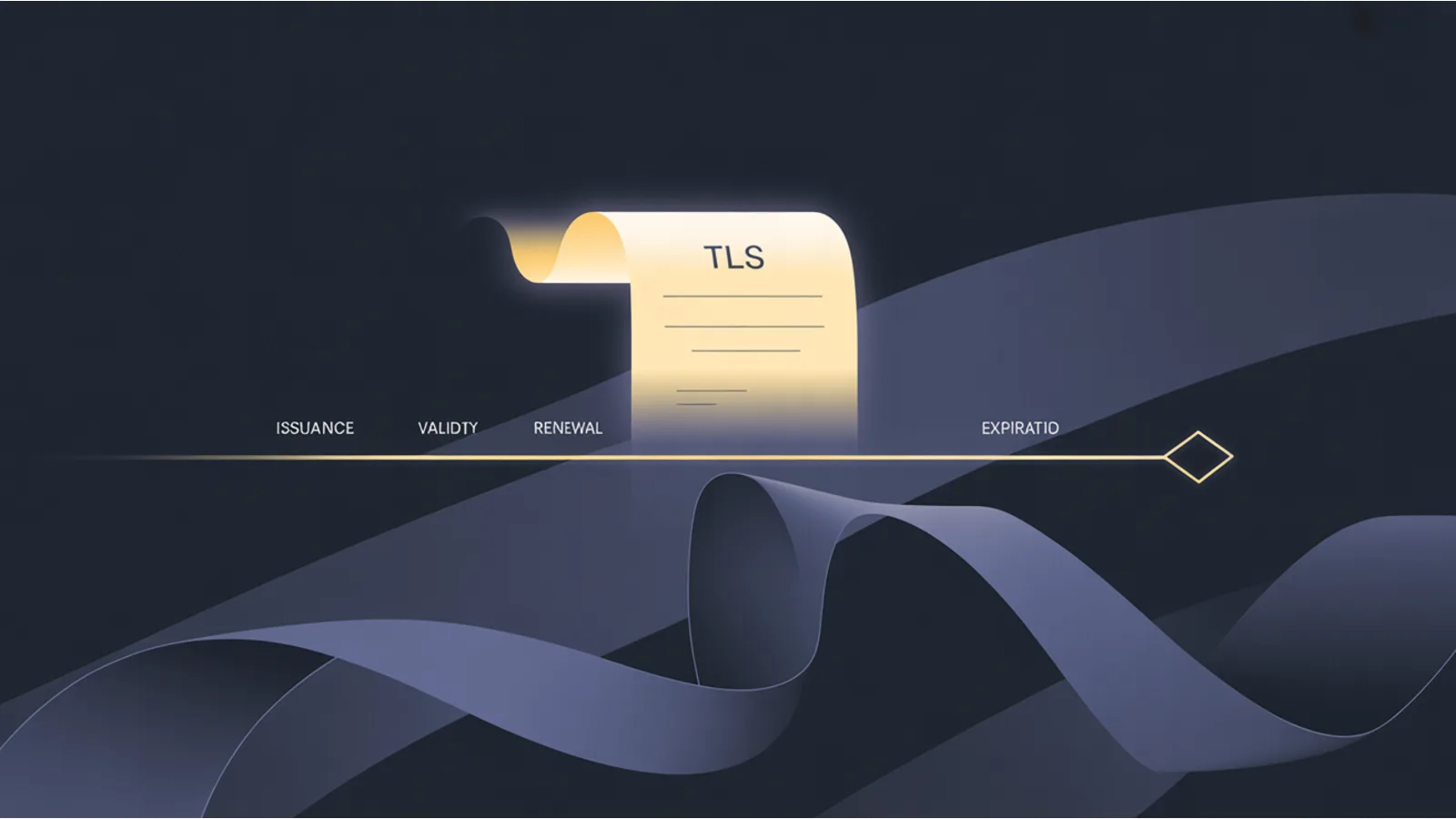
Probes a hostname for TLS cert lifetime (≤90 / ≤100 / ≤397 day buckets), CT log inclusion via crt.sh, public-key reuse across renewals (the often-missed harvest-now-decrypt-later amplifier), issuer + ACME client signal, OCSP / CRL freshness, and SAN bloat. Pairs with the PQC Analyzer.
What it actually checks
Extract of the audit's real findings — the same strings the tool prints when a check trips. Use this as a sanity check before you run the audit live:
Warnings (fix these same-month):
- Live TLS probe unavailable
- crt.sh returned no rows
Info-only (context for the fix plan — not a failure):
- Current cert public-key fingerprint (SPKI SHA-256)
- Historical certs in CT logs
- Multiple CA issuers in history
- Most recent CT entry
Why this dimension matters
NIST finalized post-quantum cryptography standards in 2024 (FIPS 203 = ML-KEM, FIPS 204 = ML-DSA, FIPS 205 = SLH-DSA). CNSA 2.0 mandates PQC for US national-security systems by 2035, and major CAs are already issuing hybrid classical+PQ certificates. Sites that audit their current TLS / DNSSEC / code-signing posture today can migrate incrementally; sites that wait face a forklift migration.
Common failure patterns
- TLS cert issued for > 398 days — browsers enforce a 398-day maximum (since 2020). Audits still find long-dated certs on legacy systems that will simply stop being trusted on renewal.
- RSA-2048 signatures when the CA supports ECDSA-P-256 — ECDSA is faster, smaller, and equally secure today. For PQC readiness, the migration path is easier from ECDSA than from RSA.
- DNSSEC with RSASHA1 (algorithm 5) — deprecated since 2020. Rekey to RSASHA256 (8) or ECDSAP256SHA256 (13) at minimum.
- Code-signing with SHA-1 or MD5 — trust stores have been rejecting these since 2017. Legacy MSI installers and Linux package signatures are the most common offenders.
How to fix it at the source
Run a TLS / DNSSEC / code-signing inventory today. For TLS: use short-lived certs (Let's Encrypt 90-day renewal is optimal) + automate renewal via ACME. For DNSSEC: rekey to ECDSAP256SHA256. For PQC readiness: watch for OpenSSL 3.x + BoringSSL PQC support; migrate to hybrid ML-KEM+X25519 as soon as your CDN supports it (Cloudflare shipped Kyber in 2023, AWS announced PQ TLS in 2024).
Thresholds that matter
| Signal | Target |
|---|---|
| TLS cert lifetime | ≤ 398 days (browser-enforced). Optimal: 90 days via Let's Encrypt + ACME automation. |
| DNSSEC algorithm | ECDSAP256SHA256 (13) or Ed25519 (15). RSASHA1 (5) is deprecated. |
| Code-signing hash | SHA-256 or SHA-384. SHA-1 and MD5 are rejected by every major trust store. |
| TLS minimum version | 1.2 minimum, 1.3 preferred. Disable 1.0 and 1.1. |
When to run the audit
- After a major site change — redesign, CMS migration, DNS change, hosting platform swap.
- Quarterly as part of routine technical hygiene; the checks are cheap to run repeatedly.
- Before an investor / client review, a PCI scan, a SOC 2 audit, or an accessibility-compliance review.
- When a downstream metric drops (rankings, conversion, AI citations) and you need to rule out this dimension as the cause.
Reading the output
Every finding is severity-classified. The playbook is the same across tools:
- Critical / red — same-week fixes. These block the primary signal and cascade into downstream dimensions.
- Warning / amber — same-month fixes. Drag the score, usually don't block.
- Info / blue — context only. Often what a PR reviewer would flag but that doesn't block merge.
- Pass / green — confirmation. Keep the control in place.
Every audit also emits an "AI fix prompt" — paste into ChatGPT / Claude / Gemini for exact copy-paste code patches tied to your specific stack.
Related tools in this family
- Mega Security Analyzer — run this first — crypto is one of 7 layers it scores.
- DNSSEC PQC Posture Audit — inventories DNSSEC algorithms per zone + flags deprecated ones.
- PQC Migration Plan Generator — emits a per-asset migration roadmap from classical to post-quantum.
- Code Signing Trust Audit — audits installer + package signatures across common trust stores.
Fact-check notes and sources
- NIST: FIPS 203 (ML-KEM), FIPS 204 (ML-DSA), FIPS 205 (SLH-DSA)
- CNSA 2.0: NSA commercial suite announcement
- Cloudflare: Post-quantum for TLS in production (2023)
- Let's Encrypt: Certificate lifetime and compatibility
This post is informational and not a substitute for professional consulting. Mentions of third-party platforms in the tool itself are nominative fair use. No affiliation is implied.
