
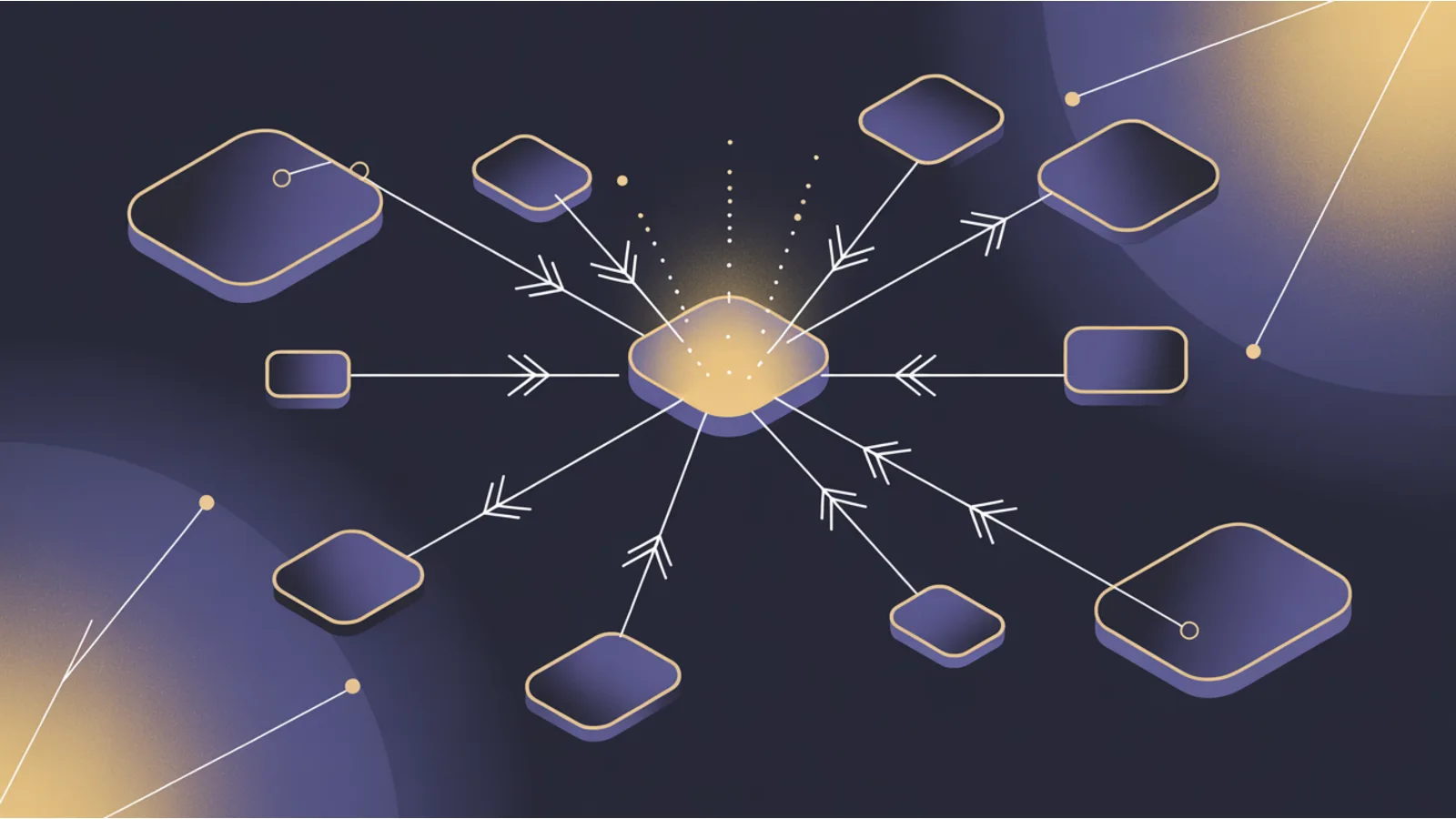
"Hosting on the blockchain" is a phrase that gets thrown around casually enough that most people who use it don't quite know what it means. The Blockchain Visualizer is the tool I wish existed the first time I had to explain it.
Five interactive flows. Pick one, see the diagram, read the steps with the exact command at each one.
ENS name resolution. What happens when a browser encounters yourbrand.eth. The registry contract on Ethereum, the resolver contract, the contenthash record, the IPFS gateway, the content. Updates cost gas; reads are free.
Handshake resolution. Handshake replaces ICANN at the TLD layer. Everything below still works. You get standard DNS records (A, AAAA, TXT, NS) for your owned TLD. Browsers need HSD or a Handshake-aware resolver to reach the name, but once they do, the rest is regular DNS.
Unstoppable resolution. Names as NFTs on Polygon. One-time purchase, no renewal. Resolver extension reads the NFT's records and routes to IPFS or a traditional URL.
IPFS hosting phases. The six-step life cycle of a file: local build, ipfs add, CID emerges, pin to keep it alive, resolve via gateway, use IPNS for a mutable name. The pinning step is where people lose the plot. Unpinned IPFS content gets garbage-collected. Pinning services like Pinata or Fleek are effectively your host.
Arweave permanent hosting. One-time payment, ~200 years permanence by protocol economics. Great for archives, papers, certifications. Terrible for a site you'll redesign. No updates, ever.
Why visualizing this matters
I've seen business owners sign up for ENS thinking it would replace their .com overnight, panic when the site didn't resolve in Safari, and conclude the whole thing was snake oil. It wasn't snake oil; they just hadn't understood that ENS names need a resolver and that Safari doesn't ship one by default.
The visualizer makes the architecture legible. Once you see that ENS is a registry + resolver + gateway chain, the "why doesn't it work in Safari" question has a visible answer and a visible fix (add a Cloudflare gateway, or tell users to use Brave, or ship a traditional DNS record as the default and an ENS record as the alternative).
Pair with
- Blockchain Stack Generator. Pick your layers and get a rollout plan.
- .well-known Audit. The clearnet identity-file suite you should still ship even if you're using a blockchain name as primary.
Methodology: Chapter 41 of The $97 Launch, The Master AI Prompt. The Single Site Gen output is what you build the site with before you layer IPFS on top.
Related reading
The methodology behind this piece is covered in depth in:
- The $97 Launch, Domain, hosting, deploy, and indexing stack for getting a site into search quickly.
- The $100 Network, Monoclone architecture, IndexNow, and multi-site scaling, how to run a network of sites.
